Support Us
 Sign Up











































Scarlett Johansson, known for her roles as fierce, action-packed characters, has found herself at the forefront of a very different kind of battle in 2024. This time, it’s not a fight against evil forces or world-ending threats, but a real-world stand against the unchecked use of artificial intelligence. TIME has recognized Johansson’s impact by naming her to their prestigious TIME100 AI list, which spotlights individuals shaping the future of AI across industries.
Johansson’s inclusion comes after a public dispute with OpenAI earlier this year. In a statement made in May, Johansson revealed that OpenAI’s CEO, Sam Altman, approached her to voice the company’s latest chatbot, ChatGPT-4o. When she declined, a voice was released by OpenAI that bore an uncanny resemblance to hers, sparking a public outcry. Johansson claimed that even her friends and the media couldn’t differentiate between her voice and the AI’s imitation, reigniting concerns over deepfake technology and the unauthorized use of personal likenesses.
Scarlett Johansson’s Stand Against AI Misuse Gains Traction

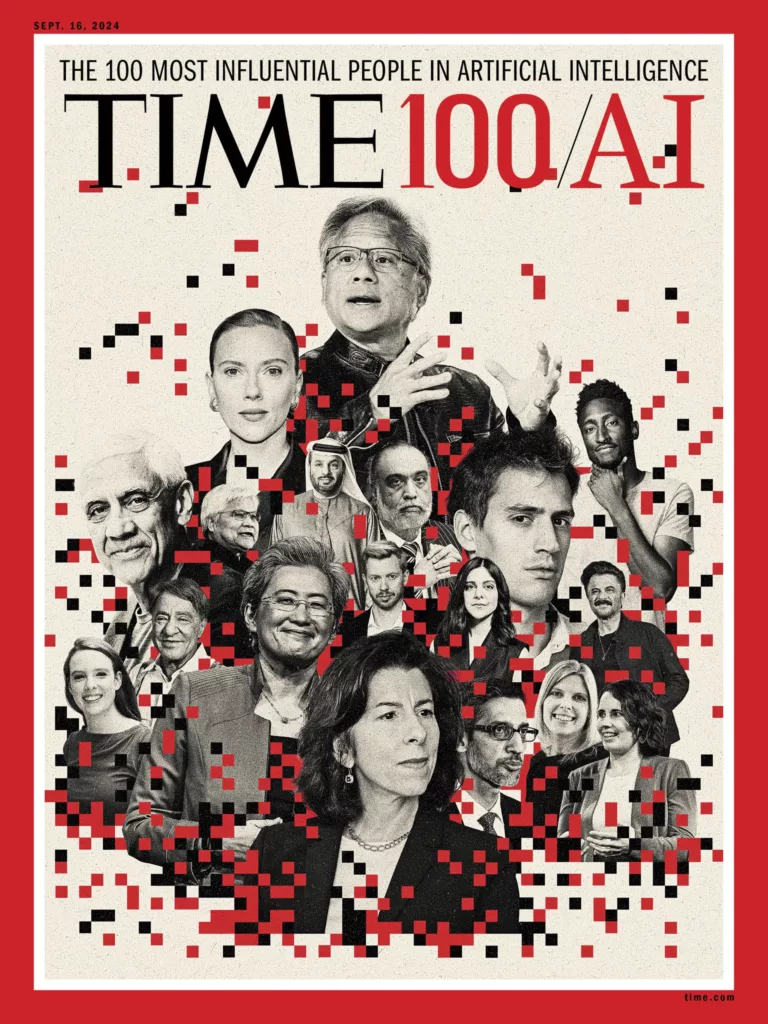
The controversy surrounding Johansson’s dispute with OpenAI didn’t end quietly. Her refusal to stay silent on the issue brought widespread attention to the potential abuses of AI technology in replicating voices and likenesses without consent. Despite OpenAI’s denial that Johansson’s voice was the inspiration, they removed the voice from their chatbot, a move that fueled further debate on AI ethics and transparency.
Her advocacy has since linked her with broader discussions around deepfakes and digital identity. Senator Brian Schatz even cited the incident in his call for legislative action, co-introducing a bill aimed at raising public awareness about AI-generated media and the protection of individuals’ likenesses in the digital age. As AI continues to reshape industries, Johansson’s battle for personal identity in the digital landscape is emblematic of the ethical challenges the tech community—and society at large—must confront.