Support Us
 Sign Up

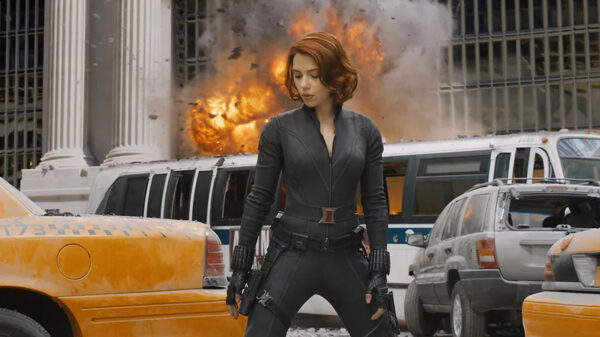
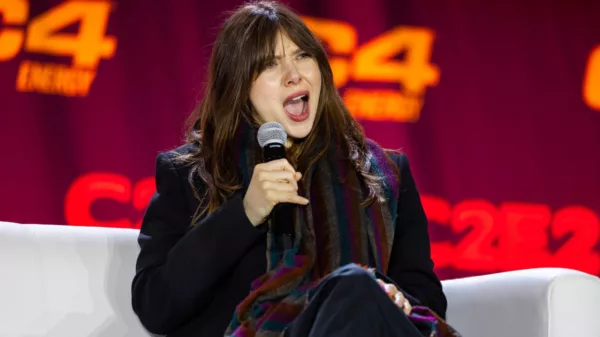










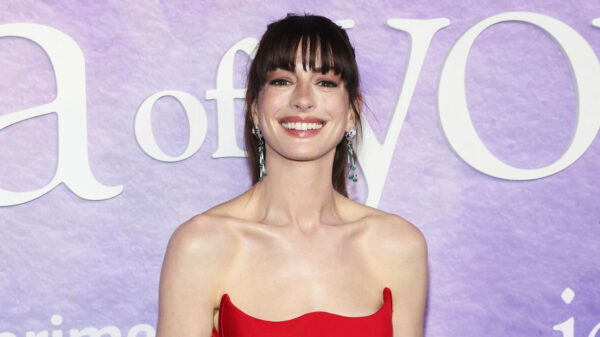

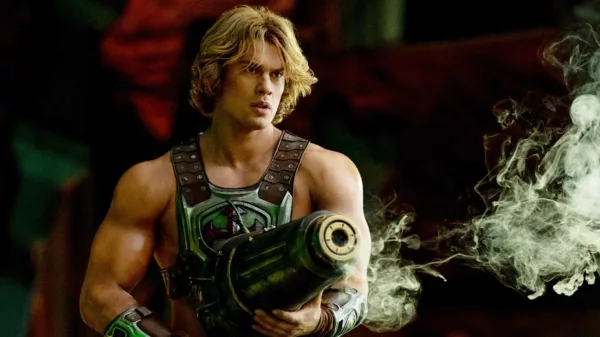
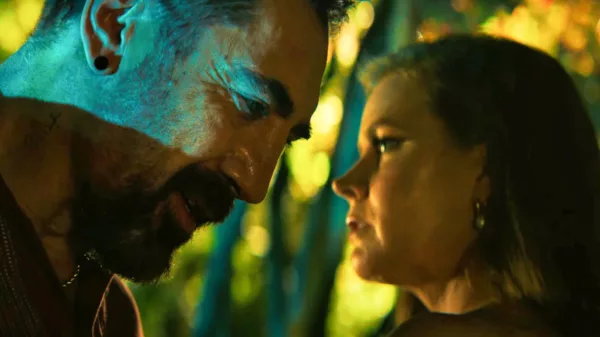




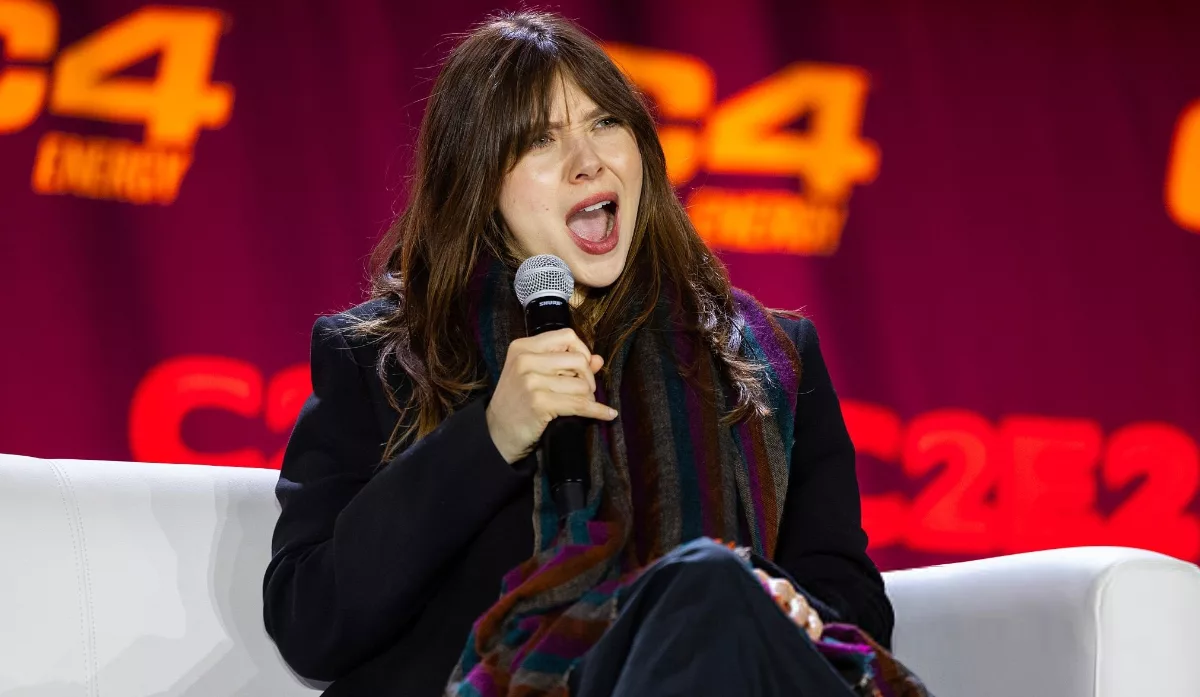

Elizabeth Olsen walked into the C2E2 panel hall sick. Not “maybe coming down with something” sick; full cold, apologetic about it, already strategizing about wearing a mask at the autograph table so she wouldn’t turn the convention center into a biohazard. She and interviewer Josh Horowitz kept a deliberately comedic six feet of couch between them. And yet somehow, despite all of it, the room felt like a rave had just let in its most beloved guest.
“I feel like we walked into a rave and now I’m going to ruin the party,” she said, laughing. She didn’t ruin anything. She was, as ever, warm, self-deprecating, genuinely engaged, and… critically… in possession of exactly zero spoilers about anything coming up in the MCU. This last part was stated often and with what seemed like authentic relief.
“It’s safer for me to not know anything. I can’t make a mistake in a situation like this. I know nothing, and I’d rather know nothing.” — Elizabeth Olsen, C2E2 2026
Elizabeth Olsen: Before the Hex: Childhood & Early Influences

Olsen grew up tagging along to her brother’s comic book store runs every Tuesday, not as a reader herself, but as a devoted little sister absorbing the mythology by osmosis. Her real obsessions were elsewhere: Star Wars at age five, Indiana Jones (famously unwrapped and watched before gifting the box set to her father), Gremlins, and Return to Oz; films she described as “disturbing and imaginative in the best way.” She and her friends would make spoof versions of these movies at single-digit ages. The creative instinct was always there.
Robert Redford and Diane Keaton were her acting idols; both people she never actually met, which she seemed entirely at peace with. Redford’s legacy through the Sundance Institute directly shaped her early career. Keaton, she said, “made you comfortable as an audience member. She was so specific.” The kind of specificity, it turned out, that Olsen would spend the next decade trying to bring to a woman in a red crown who could level cities with her hands.
Godzilla, Tea with Joss, and Becoming Wanda

The transition from Sundance indie films to franchise filmmaking wasn’t a calculated pivot, it was curiosity. Olsen had grown up loving big studio adventure movies and simply wanted to understand how they got made. She took general meetings with Legendary and Marvel around the same time, during reshoots on Godzilla (2014). That film was its own useful education: director Gareth Edwards shot everything practically, so Olsen never touched a green screen. It was organized chaos, hundreds of extras, elaborate choreography designed to look like no choreography at all, and it prepared her for the controlled madness of Marvel sets.
The Marvel audition, such as it was, happened over high tea with Joss Whedon. She didn’t know she was going in for Scarlet Witch. Her brother had guessed she might be meeting about Guardians characters. Whedon explained the character’s history and made one now-famous promise: she wouldn’t be dressed in the red leotard from the comics. Little did either of them know that eight years later, the production would be meticulously trying to match that look as closely as possible.
The Physicality of Power

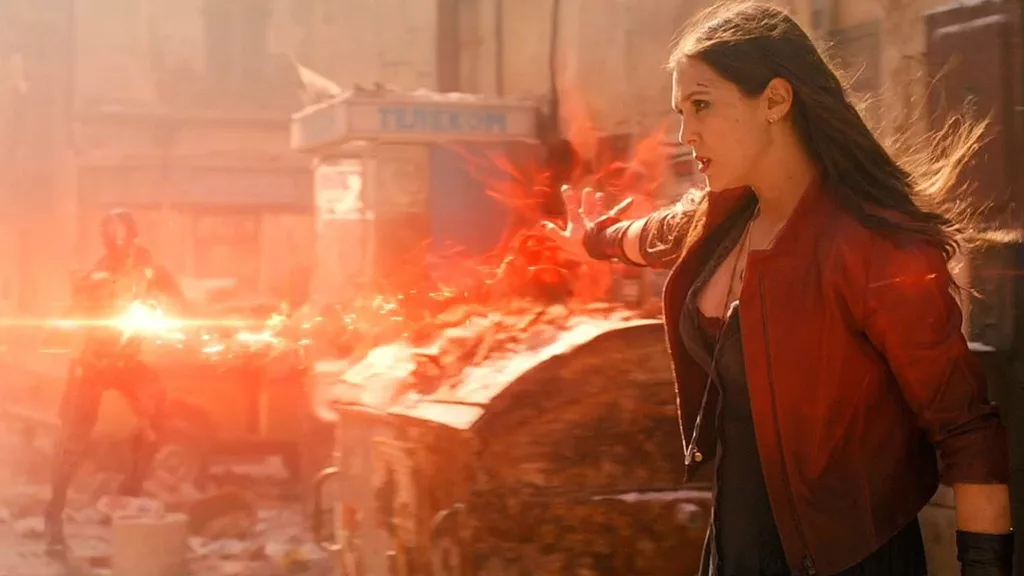
One of the most interesting threads of the conversation was how deliberately Wanda’s physicality has been constructed and evolved. Whedon didn’t want her throwing punches, he wanted her to have her own physical language, which he communicated to choreographer Jenny White, who translated it into something Olsen could inhabit and build on over years of films. Each project is about finding a new aspect of the character rather than replicating what came before. In Doctor Strange, that meant embodying someone who had been training herself in isolation, becoming more fluid and more dangerous. The goal is always surprise — for the audience, and apparently for herself.
That Infinity War Scene, Which Was Mostly Made Up

The moment where Wanda destroys the Mind Stone while simultaneously trying to hold off Thanos, requiring her to kill the person she loves most while being forced to watch him die again anyway, was, according to Olsen, largely improvised. She and Paul Bettany were taken to a trailer with the other cast members that day, shown the animated previs of the ending, and then told to essentially work it out themselves.
“There’s a lot of pressure to improvise the moment before you choose to kill him,” she said, with the kind of understatement that gets a laugh from a room of people who have all ugly-cried at that scene. She saw the finished version for the first time at the premiere. She was proud of what they made, the particular satisfaction of having pulled something off under chaotic conditions.
“Ultimately it’s those relationships and those moments that you’ll feel most as an audience member. We don’t take that for granted at all.” — Elizabeth Olsen
WandaVision: An Unexpected Gift
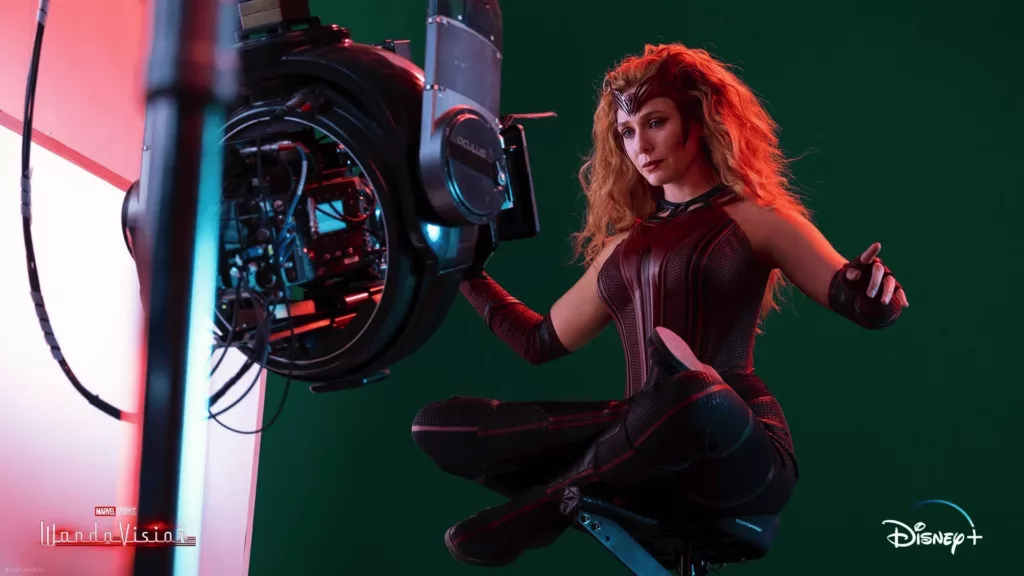
When Kevin Feige first pitched WandaVision to Olsen, the showrunner wasn’t attached yet, Disney+ hadn’t launched, and it was purely an idea, born from Feige’s childhood love of television and a concept about grief dressed up in sitcom clothes. Olsen thought it was smart. She was also terrified. “We’re taking characters people see on huge screens and shrinking them to a home screen as the only medium they’ll ever be watched on.”
The show shot its first episode — a full 1950s-style sitcom, in front of a live studio audience over two days, with multiple cameras running simultaneously, exactly as The Dick Van Dyke Show had been made. Paul Bettany lobbied against doing it this way. And then, Olsen recalled with obvious delight, he had the time of his life and emerged from the other side wanting to be a sitcom actor permanently.
On the now-iconic line “What is grief, if not love persevering”: it almost wasn’t that line. For weeks, Bettany flagged it as not quite right, close, but missing something. It was the showrunner’s assistant who landed on the word “persevering.” The conversation about one line lasted several weeks. “It was nice,” Olsen said, “that that kind of effort and thoughtfulness had the impact that Paul really knew it could.”
On Not Knowing Things (A Philosophy)
On upcoming MCU projects: Avengers: Doomsday, Secret Wars, Vision Quest — Olsen was consistent, cheerful, and apparently sincere: she knows nothing. She operates on a strict need-to-know basis, having accidentally spoiled things in interviews before. She did not enjoy it. The solution was obvious.
She genuinely did not know the difference between Secret Wars and the former Kang Dynasty film title, Horowitz had to walk her through it. This was not a performance. “Tell me what I need to know when I need to know it,” she said. “I go to these conventions a few times a year and I certainly don’t want to mess it up for anyone.”
On Wanda’s Future

Asked about returning to the character, Olsen was neither coy nor committal in the ways that usually signal something. She’s offered up ideas in the past, usually while actually working. Right now, she’s simply waiting. Her condition for enthusiasm is straightforward: if Wanda can serve the story rather than being inserted for a cameo, she’s in.
“I just want to be of service to telling these stories better each time,” she said. It’s a position that sounds modest, but coming from someone who improvised one of the MCU’s most emotionally devastating sequences on the fly and then saw it for the first time at the premiere, it reads more like confidence. She knows what she’s capable of. She’d just like the story to be worth it.
Follow us on MSN for more content like this.