Support Us
 Sign Up























Since it’s moving its flagship series, Monday Night Raw, to the streamer in January (which featured, among many other things, the last televised appearance of the late Hulk Hogan), WWE has dominated Netflix’s charts, spending 6 straight months in the top 10. In addition to weekly episodes of Raw, WWE and Netflix’s latest collaboration is WWE: Unreal, a 5-part docu-series that promised viewers the chance to “For the first time ever, step into the WWE writer’s room and outside the ring with your favorite WWE Superstars.”
With its abundance of slow-motion action shots, slickly edited Royal Rumble sequences, and various color-coded diagrams, WWE: Unreal is a serviceable crash course in the inner workings of wrestling for those not in the know.’ But while the series offers plenty of technical, surface-level insights, there aren’t any revelations in WWE: Unreal that can’t be found in the average wrestler’s backstage vlog.

Directed by Chris Weaver and showrun by Erik Powers (with producers including Peyton Manning, Lee Fitting, and Ken Rodgers), WWE: Unreal moves in chronological order, beginning with Raw’s Netflix debut on January 6 and culminating at WrestleMania 41, where stars like CM Punk, John Cena, and Rhea Ripley vie for titles.
Laying out a calendar of WWE’s demanding weekly schedule and frequent pay-per-view events, WWE: Unreal is “WWE for dummies,” pitching the unique challenges and joys of wrestling while simultaneously explaining how the massive production operates on a technical level. In its explanations of origin and purpose of the “gorilla” position and the process of match production, Unreal does fulfil its promise of taking fans inside the writer’s room with more unfettered access than ever before.
But while it may be fascinating to watch producers call matches live, there’s still a fundamental lack of depth in the Weaver’s interrogations of the WWE creative process: WWE: Unreal is less interested in exploring the “how” and the “why” of Travis Scott’s Wrestlemania 41 run-in and more interested in constant reassurances that it was a highly coordinated effort between Nick Khan, Triple H, and The Rock.

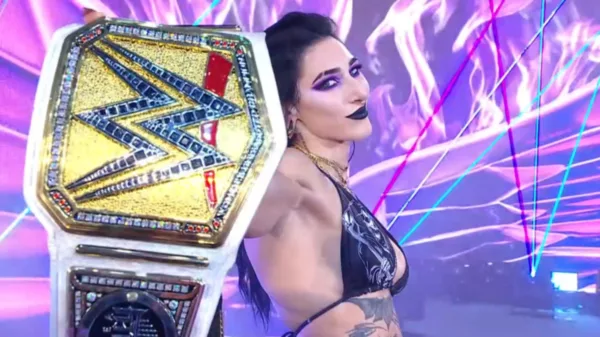
Still, even if there’s a frustrating (if not predictable) lack of transparency from creatives in the most crucial positions at WWE (Khan, Triple H, the Rock and Cena reference plenty of conversations but never divulge the contents of them), WWE Unreal shines when it slows down enough to take the time to follow a single wrestler through a significant milestone in 2025. From Jey Uso’s Royal Rumble win to Charlotte Flair’s emotional return from injury to Rhea Ripley navigating her anxiety, Unreal is at its best when highlighting the humanity of the seemingly super-human performers on the WWE roster.
Whether it’s getting glimpses at smaller moments like CM Punk reassuring Rhea Ripley backstage and the camaraderie of the women’s locker room, or tense, headline-making incidents like the aftermath of the Charlotte Flair/Tiffany Stratton shoot promo, WWE: Unreal’s most impactful, memorable moments all come from the wrestlers themselves.
But while the wrestlers that are interviewed are often the highlights of each episode, there’s a simultaneously frustrating lack of depth in the pool of interview subjects, with the series only following wrestlers actively being pushed. It’s an understandable concession considering the show’s scope and scale, but the lack of main eventers (outside Chelsea Green) makes it difficult to believe Triple H when he says anyone at any spot in the card has the opportunity to make it big.

Thankfully, Weaver and Powers also incorporate interviews with non-wrestlers, such as match producers and referees, providing specific insights into how the biggest matches of 2025 were called and produced—the “meat and potatoes” of the docu-series for diehard wrestling fans. But while the producer and referee interviews give Unreal much-needed substance, Weaver doesn’t push his subjects. At one point, Cena flat-out refuses to explain his promos, saying he doesn’t want to “ruin” the magic for fans (and leaving viewers to wonder why he participated in the doc in the first place).
Certainly, WWE Unreal is a solid primer for newer wrestling fans eager to learn about the inner workings of the WWE machine, with its ample graphics breaking down stage layouts, scheduling, and other key behind-the-scenes pieces. But for fans looking for nuanced insights into the creative processes of the WWE writers’ room, WWE: Unreal falls short of its promise to truly pull back the curtain, often feeling more like a sizzle reel than a docu-series.
Follow us on MSN for more content like this.
Grade: C
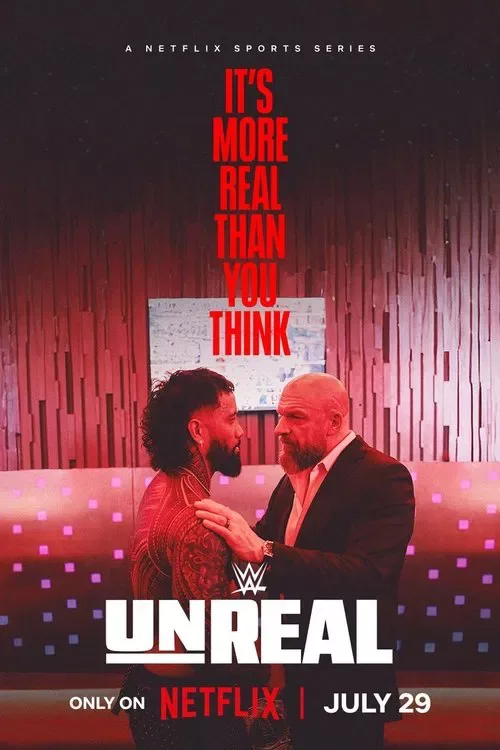
WWE: Unreal
From Monday Night RAW to WrestleMania, this series goes backstage with WWE Superstars and staff as they bring the company's biggest spectacles to life.