Support Us
 Sign Up






































Prepare for your new summer obsession as Lena Dunham returns to write about the world of complicated, difficult women. The creator of Girls brings her brand of millennial cringe and feminism to Netflix in a ten-part show that will make you laugh, cry, and want to block your ex.
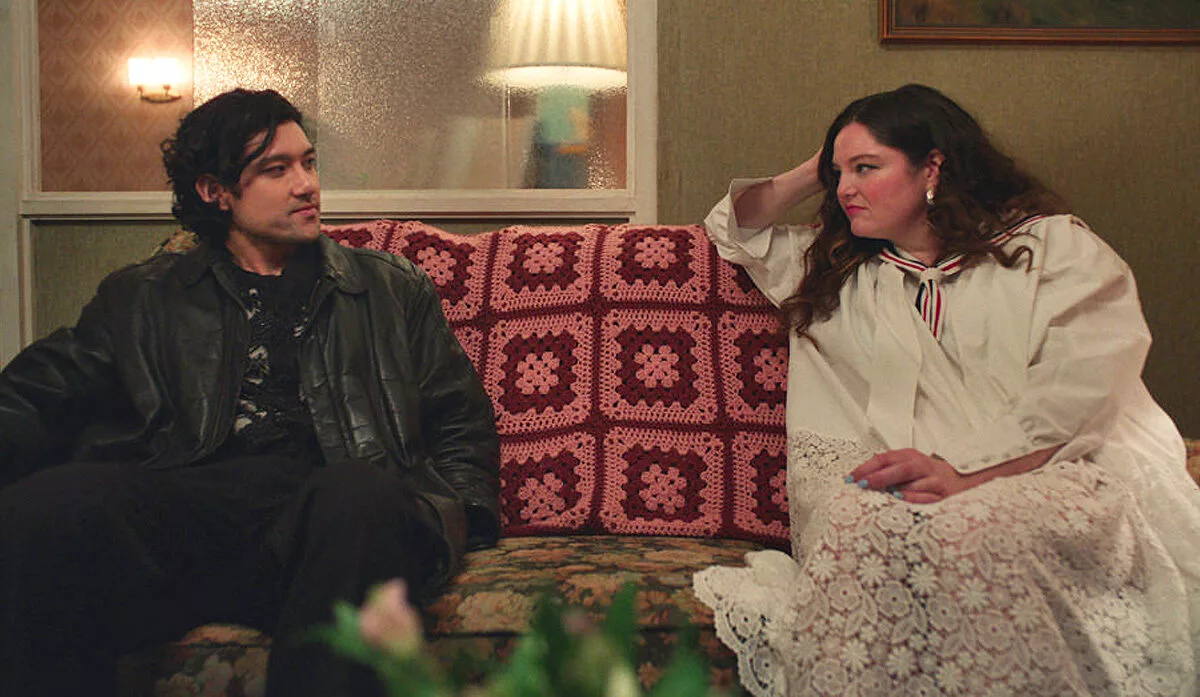
After Jessica (Hacks breakout star Megan Stalter) splits with her weaselly long-term boyfriend Zev (The Marvelous Mrs Maisel star Michael Zegen), she finds herself trapped in a multi-generational house of eccentric single women. In her early 30s, Jessica’s life has become sitting on the sofa with her recently separated sister (Lena Dunham), her desperate-to-be-trendy mother (Rita Wilson), and her outspoken grandmother (Rhea Perlman). She jumps at the chance to get out of the city when her boss (Andrew Rannells), who also happens to be her brother-in-law, offers her the opportunity to work abroad.
From London Misadventures to Glitter-Covered Breakdowns, Too Much Is Dunham at Her Best

London isn’t the city Jessica thought it would be, slightly mis-sold by Bridgerton and Richard Curtis romantic comedies. The estate she envisioned before arrival is actually a rundown apartment block, the men are not quite Mr Darcy, and her colleagues are hardly her biggest fans. But there is one shining light in her new home, rock star and love interest Felix (Will Sharpe).
The fish out of water schtick, thankfully, doesn’t last long, with the writers fully understanding that audiences don’t need to see another American woman laughing at English idioms and mispronouncing place names. The show drops a few gags about cultural differences throughout the ten episodes, but smartly avoids the normal American in the UK cliches. The jokes it does drop are well-observed and fairly accurate, even the proudest Brit will have to admit it can be a strange country full of eccentrics.
The opening episodes feel like a slice of rom-com heaven. Despite her misconception of the UK, Jessica is happy in her little apartment with her hairless dog, her successful career making commercials, and her cool yet loving boyfriend. Women will recognise the delusions of early love when they romanticize the red flags and ignore the warning lights. Too Much smartly creates this fantasy world that fans of the romantic genre will fall for, but quickly bursts the bubble.
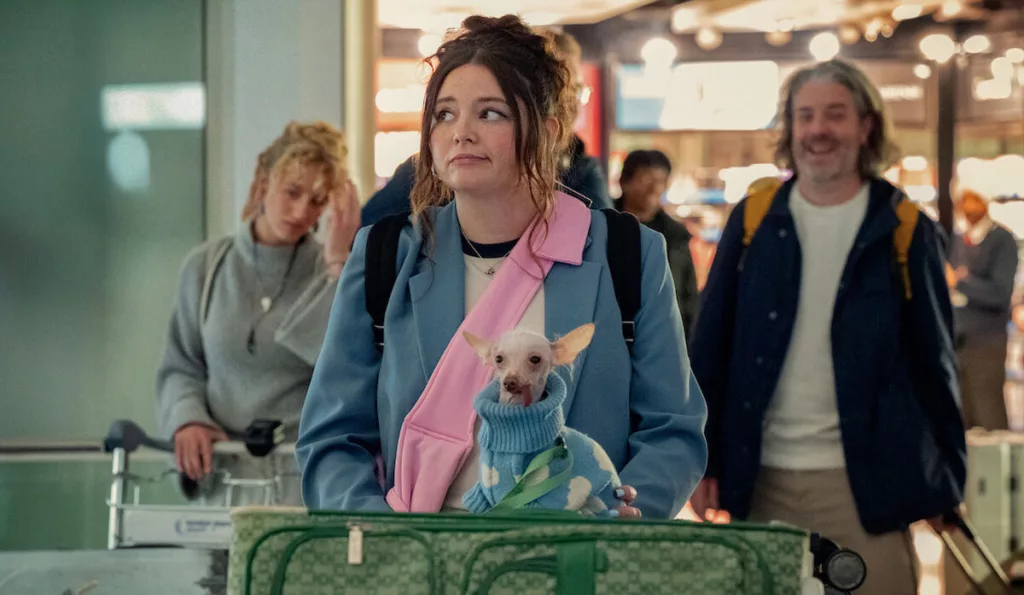
After three episodes, Jessica and her new life start to unravel. Felix isn’t the perfect manic pixie dream guy, he’s unemployed, an ex-drug addict who’s not quite the down-and-out punk his image sells. Too Much unpeels the veneer and dissects the tropes associated with the romance genre, highlighting that many romantic heroes are actually walking red flags.
Just when you think you know what you’re getting from this comedy/drama, Too Much twists and goes somewhere completely different. A mid-season, mostly flashback episode to the downfall of Jessica’s relationship with Zev is a devastating shock to the system. You’ll just be getting over a devastating moment of heartbreak for the tension to be broken by her mother’s dating life, an inappropriate comment from Felix’s crass protestor friends, or a naughty phone call with her mouthy grandmother. It’s a fantastic balance of romance, tragedy, and pathos because it never feels unrealistic. Dunham’s writing knows that the good and the bad come in unpredictable waves, especially when you’re in love.
Too Much is loosely based on the show’s writer/director Lena Dunham’s experiences moving to London in 2021 after splitting with musician/producer Jack Antonoff. Dunham, like Jessica, met and fell in love with an English musician (Luis Felber, whom she married in 2021). The semi-autobiographical nature of the storytelling shows in the nuance. It may not be exactly based on Lena and Luis’ real-life romance, but Too Much is very clearly written by someone who knows the city. This is the real London that is rarely shown on American TV. Americans can struggle to write the specific way Brits speak to each other, but Too Much never feels like it’s written by a non-native. Dunham understands the Brit’s obsession with class, the cultural divide between tax brackets, and the rich who cosplay as the poor.
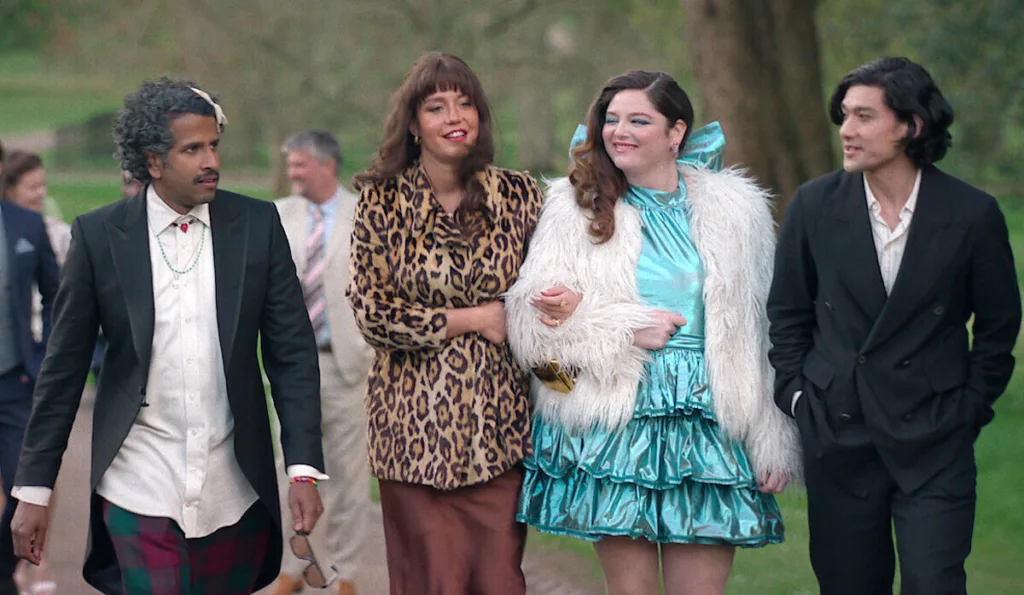
HBO’s Girls ended in 2017, and while it wasn’t always loved during its airing, in retrospect, very few writers have captured millennial womanhood like Dunham. It still continues to find a new audience because Dunham’s writing understands the complexities of being a young woman. She continues this trend with Jessica, a woman who is both lovable and annoying. It’s hard not to fall in love with Jess, with her glittery makeup and eccentric fashion choices. Not because you’ll likely see yourself in her whining, overthinking, and often annoying nature. But because she’s the type of brave woman who puts herself out there and works on improving herself in ways many of us wish we could.
Jessica’s internal thoughts are spoken out loud in the form of social media videos aimed at her ex’s new partner, Wendy Jones (Emily Ratajkowski). She is both bitter and heartbroken at being dumped by her ex for a knitting influencer, yet determined to be the bigger person and prove she’s better than her ex. Stalter is the perfect heroine for Dunham’s words, as someone who can come across as self-assured yet also so internally lost. The actress more than proves herself as leading lady material and not the comedy sidekick roles she is often sidelined to.
Will Sharpe is sure to be everyone’s new obsession as the eternal Peter Pan, Felix. He’s charming but also flawed, and Sharpe expertly plays every layer of this deceptively complex man. In one episode, you’ll fall in love with him, the next, you’ll hate him and desperately want Jessica to dump him.
Alongside the core cast, which also includes Richard E Grant as Jessica’s boss and Naomi Watts as his wife, is a plethora of big-name guest stars. They range from Rita Ora playing herself to Jennifer Saunders essentially reprising her role as Absolutely Fabulous’ Edina Monsoon. Another standout is Andrew Scott as sleazy commercial director Jim, who, over two episodes, balances being incredibly charming yet a total jerk. It’s as if his Fleabag Hot Priest character was a real-life man and not a fantasy created by Phoebe Waller-Bridge. You can tell these guest stars are having the best time in their often-exaggerated characters, dropping in to make Jessica and Felix’s life extra complicated.

While Jessica and Felix are uncomfortably real and relatable characters with all their messy flaws, some of the side characters do tip into satire. An episode that takes place at an upper-class wedding heightens the cartoonish awfulness of the wealthy, while Felix’s ex (played by Adèle Exarchopoulos) is a barrage of every French cool girl cliché you can think of. Luckily, the recurring characters feel real enough to ground the action.
Jessica’s eccentric family is another highlight of the show. They appear throughout the series and are always on the end of the phone to give Jessica unwelcome advice. Lena Dunham’s small role as her recently separated sister feels like a return to Hannah (her role in Girls). Rita Wilson and Perlman steal every scene they are in, being crude, unhelpful, and often too frank. It feels like there is potential for a whole other separate show based around these women. The little glimpses into their New York lives are just not enough, and the scenes we are shown feel too disconnected from the main action to really engage with.
Too Much may lure you into thinking you’re going to watch a twee romantic comedy, but this comedy/drama is much more than that. While it explores the tropes of the genre, it is ultimately an exploration of self-acceptance and how to accept love no matter how broken you are as a person. Once again, Lena Dunham gives a masterclass on how to write complicated and realistic women.
Rating: A
Follow us on MSN for more content like this.

Too Much
When a heartbroken New Yorker moves to London hoping for a love story, she falls for an indie musician who's anything but the typical romantic hero.
Release Date: July 10, 2025
Director: Lena Dunham Luis Felber
Cast: Megan Stalter , Will Sharpe , Richard E. Grant