Support Us
 Sign Up










































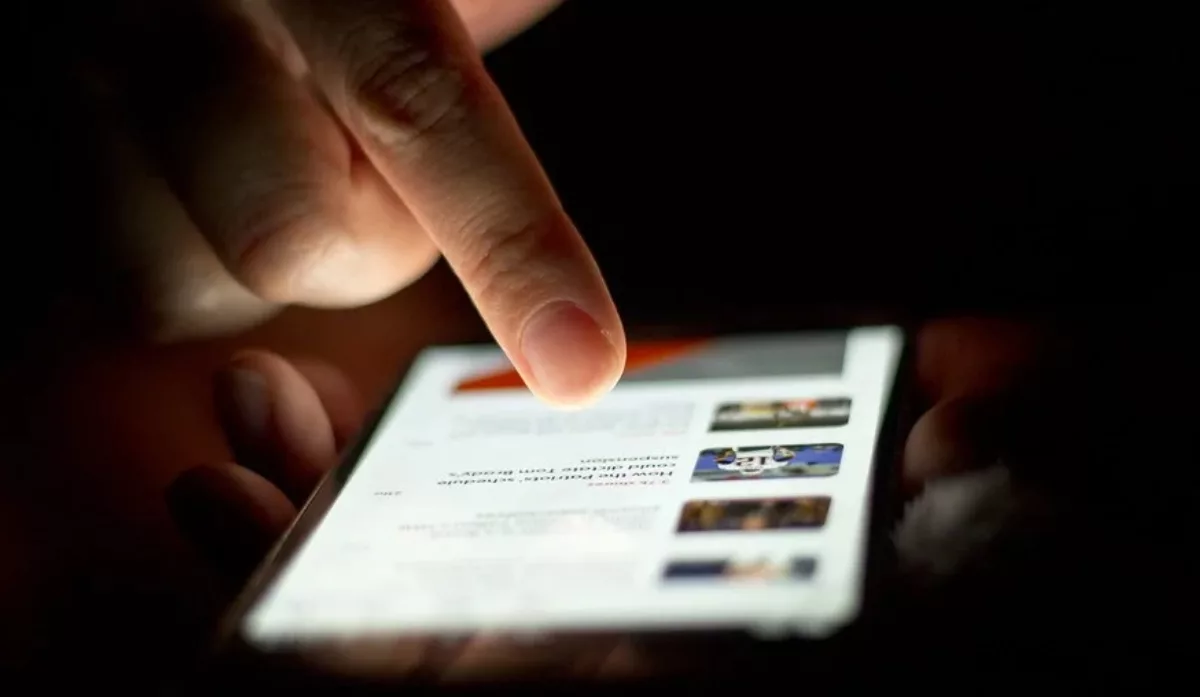

I am taking a slightly different approach with this column from my usual beat. My goal is to ensure this space is not only entertaining and informative but also safe. So far, 2026 has been a whirlwind of alarming news and tumultuous events. Between social media and the news cycle, it is easy to feel overwhelmed, desensitized, or even hopeless about how to make a meaningful impact. I hope this space can serve as a helpful resource as we all navigate these challenges and work to avoid burnout.
It feels like every day brings something so absurd it could be a headline from The Onion. If you are looking for ways to keep your mind occupied during these times, here are some suggestions for healthier habits while staying informed without becoming desensitized or overwhelmed.
Social media has become a major part of everyday life, with many people spending significant time on popular platforms. The rise of the Internet in the 21st century has transformed how people consume news, shifting attention away from traditional sources like newspapers. Digital media and social platforms now influence how individuals access, engage with, and understand current events. As a result, many people read their daily news directly through social media. The 24/7 digital news cycle, combined with constant social media updates, creates a continuous stream of headlines that can make it difficult for individuals to unplug.
Living in a 24/7 News Cycle

News fatigue is a state of mental exhaustion caused by constant exposure to the 24/7 news cycle, especially through social media and digital platforms. Nearly 7 in 10 Americans report experiencing news fatigue, showing how widespread the issue is (Pew Research Center, 2020). About 53% of U.S. adults get news from social media, and 54% rely on platforms like Facebook, X, and YouTube as their primary news source, surpassing TV (50%) and news websites (48%) (Pew Research Center, 2023; Reuters Institute).
Constant exposure to often negative news can lead to symptoms such as anxiety, irritability, doomscrolling, and emotional burnout, and may also impact sleep, focus, and overall health. Research has linked excessive news consumption to higher levels of anxiety, fatigue, and physical health problems (ScienceDaily, 2022). Experts recommend setting boundaries around news consumption to stay informed while protecting mental well-being (Psychology Today, 2020).
of news
amount of news
of coverage
much coverage
Source: Survey of U.S. adults conducted Oct. 29–Nov. 11, 2019.
Why News Affects Mental and Emotional Well-Being
Research indicates that the consumption of distressing news media, which increased substantially during the COVID-19 pandemic, has demonstrable negative effects on mental wellbeing.
Modern media including breaking alerts, social media algorithms, and sensationalism, can amplify news fatigue. According to Science Daily, a study in Health Communication found that 16.5% of people show “severely problematic” news consumption, where constant news checking dominates thoughts, disrupts daily life, and harms sleep. These individuals report higher stress, anxiety, and physical symptoms like fatigue, pain, poor concentration, and gastrointestinal issues.
News Fatigue Detox: Stay Updated, Not Overwhelmed

Modern media produces more real-time content than people can realistically process. Trying to follow everything is ultimately pointless. The 24/7 news cycle can cause significant anxiety, stress, and information overload. To protect your mental health, it is important to set intentional boundaries.
Instead of the time and energy spent over-consuming, balance staying informed and getting essential updates from trusted sources (e.g., safety measures) efficiently, set limits on news intake, and avoid compulsive checking. If you slip into excessive reading, refocus and try to delay it longer next time.
Managing the News Without Losing Your Mind
In today’s nonstop news cycle, staying informed can easily feel overwhelming. The key isn’t total disengagement, but rather setting intentional boundaries and consuming information mindfully.
Here’s how to do it:
1. Set Boundaries
Your well-being matters. Treat self-care as a form of boundary-setting, not avoidance. Let go of guilt for stepping back, recognize your emotional limits, and prioritize intentional scrolling over passive scrolling.
2. Schedule & Limit
Designate specific times to check the news. Avoid mornings or late nights when emotions are more fragile, and take breaks whenever you feel overwhelmed.
3. Manage Notifications & Sources
Reduce digital noise by turning off alerts on phones and computers. Stick to a few reliable, balanced sources, and steer clear of sensational or repetitive coverage that fuels anxiety.
4. Create News-Friendly Spaces
Keep bedrooms, dining areas, or other personal spaces free of news to create mental breathing room. When you do consume news, mix long-form articles with concise updates to prevent information fatigue.
5. Practice Mindful Consumption
Notice your emotional reactions. Ask yourself: “Is this useful or just distressing?” Focus on actionable information you can engage with, and step back when emotions run high.
By combining boundaries, mindful habits, and intentional consumption, you can stay informed without being consumed. The goal isn’t to ignore what’s happening in the world, but to engage with it on your terms.
6. Use Coping Strategies
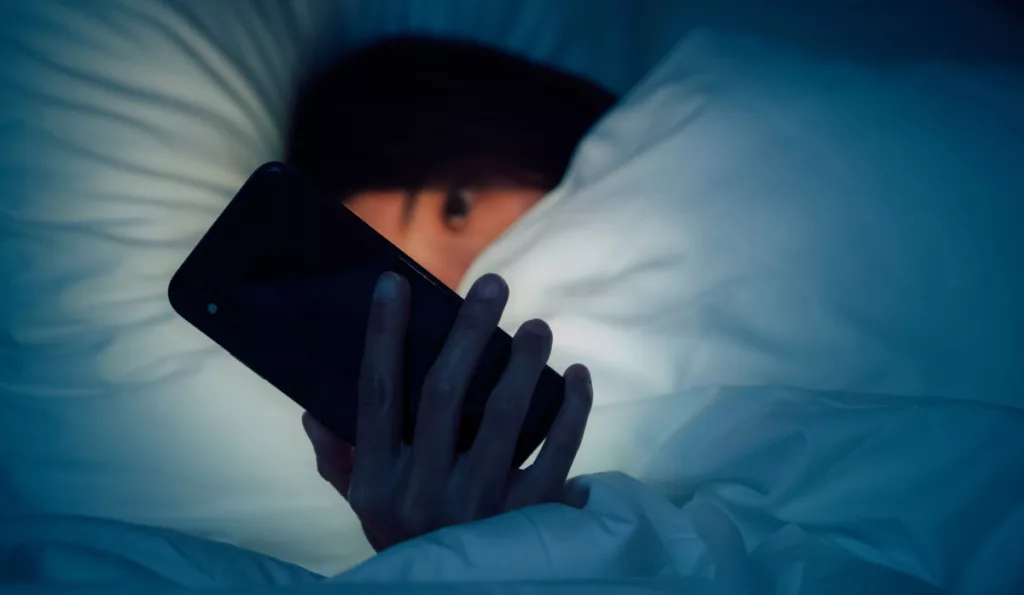
Ground yourself with movement, breathing exercises, or time outdoors. Go get some sun, take a walk, go skating! Process emotions through journaling or discussions with trusted friends. Pair difficult news with restorative or uplifting activities.
7. Focus on Depth Over Volume
Stay informed without burning out, by engaging with solutions-focused or constructive journalism. Accept that no one can know everything, and recognize when it’s time to step away and re-engage thoughtfully.
8. Leverage Community and Perspective
Share news thoughtfully rather than reacting impulsively. Limit exposure to constant social feeds, keep historical context in mind, and connect news to your values or actionable steps.
9. Engage Without Overload
Instead of completely disengaging, cultivate healthy screen-free habits. Focus on positive news and explore small ways to make an impact—such as volunteering, donating, supporting local initiatives, fundraising for a cause, contacting representatives, or backing local businesses.
10. Build Restorative Habits
Declutter your digital and physical spaces. Get creative, pick up a new hobby, celebrate small wins, and focus on practices that bring joy and meaning alongside staying informed.
By combining boundaries, mindful habits, and intentional engagement, you can stay informed without being consumed. The goal isn’t to ignore the world, it’s to engage with it on your terms.
Staying informed doesn’t have to come at the cost of your well-being. By practicing self-care, setting mindful boundaries, and paying attention to your emotional responses, you can engage with the news without being consumed by it. Experiment with what works for you, and remember: you have the agency to decide how the news fits into your life. Stepping back, taking breaks, and resting aren’t signs of disengagement—they’re essential parts of resilience.
Follow us on MSN for more content like this.
Studies & Journals
https://pubmed.ncbi.nlm.nih.gov/39623948
https://pubmed.ncbi.nlm.nih.gov/35377320
References
BBC News. (2024). Social media overtakes TV as main source of news in the US.
https://www.bbc.com/news/articles/c93lzyxkklpo
Pew Research Center. (2020). Almost seven-in-ten Americans have news fatigue.
https://www.pewresearch.org/short-reads/2020/02/26/almost-seven-in-ten-americans-have-news-fatigue-more-among-republicans/
Pew Research Center. (2023). Social media and news fact sheet.
https://www.pewresearch.org/journalism/fact-sheet/social-media-and-news-fact-sheet/
Psychology Today. (2020). How the 24/7 news cycle feeds obsession and compulsion. https://www.psychologytoday.com/us/blog/triggered/202004/how-the-247-news-cycle-feeds-obsession-and-compulsion
ScienceDaily. (2022). News addiction linked to poor mental and physical health.
https://www.sciencedaily.com/releases/2022/08/220824102936.htm