Support Us
 Sign Up





















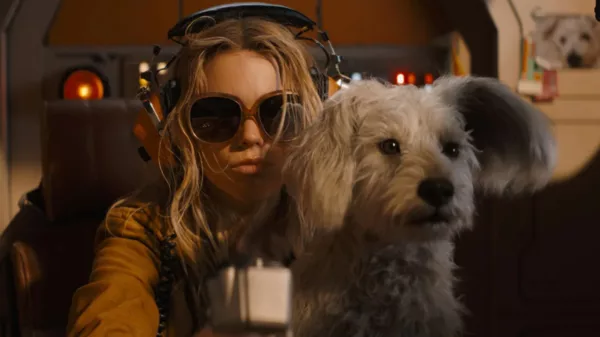
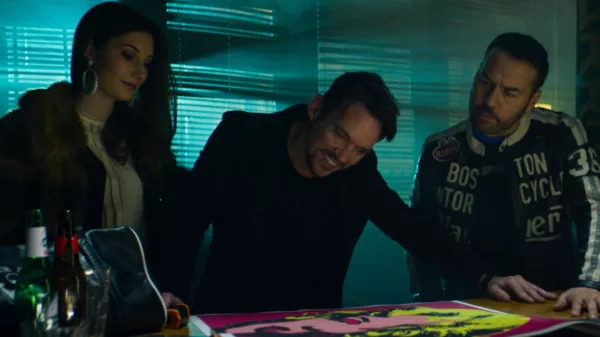





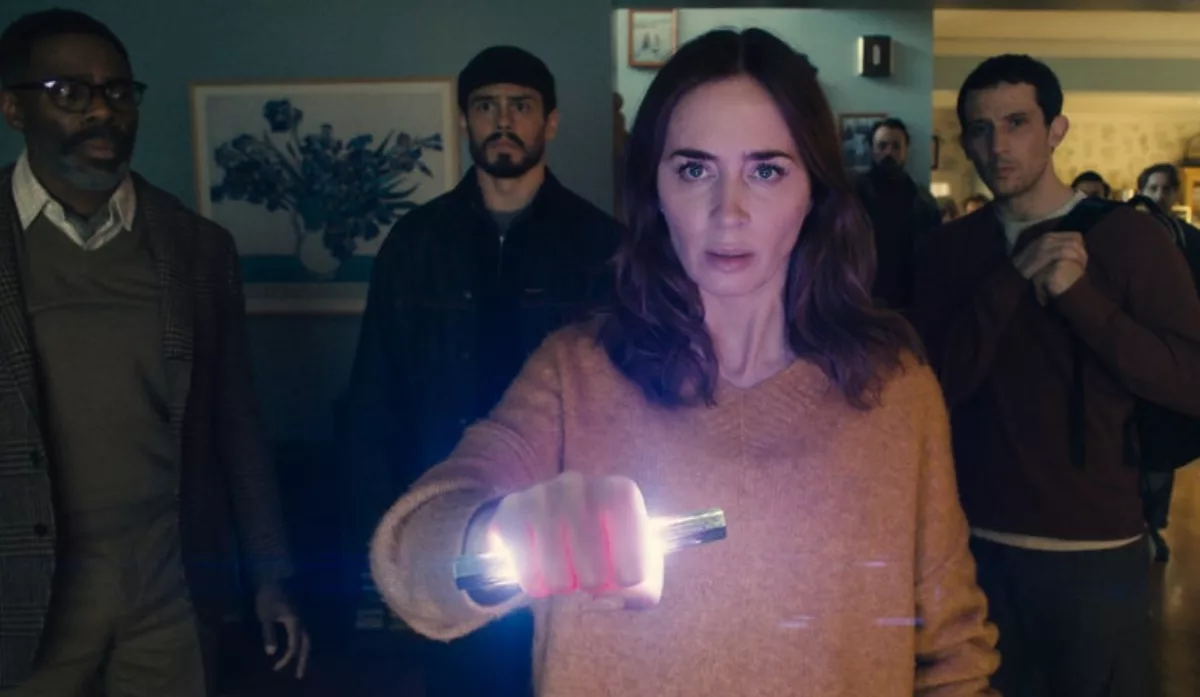

A world already coming apart, divided, unstable, and seemingly on the brink of WWIII is the backdrop of Disclosure Day, Steven Spielberg’s existential first-contact thriller about secrecy, faith, and whether humanity can survive when it learns, we’re truly not alone. In that volatile atmosphere, a single buried secret threatens to either shatter the global order or set the species free. It’s a film charged with dread and wonder, and it finds Spielberg returning to the question that has haunted so much of his career.
In quiet dialogue with Close Encounters of the Third Kind and E.T. the Extra-Terrestrial, Spielberg’s latest low-key masterpiece closes a loop he has been circling for decades: whether we are alone in the universe, and what that knowledge might do to us. But this chapter isn’t about celestial obsession or childhood longing dressed up as metaphor. Instead, it asks whether humanity is even capable of holding an earth-shaking truth. Does civilization buckle under the weight of revelation, or can empathy, compassion, and understanding help us absorb what the unknown has to teach?
Why Disclosure Day Is Steven Spielberg’s Most Soulful First-Contact Film in Decades
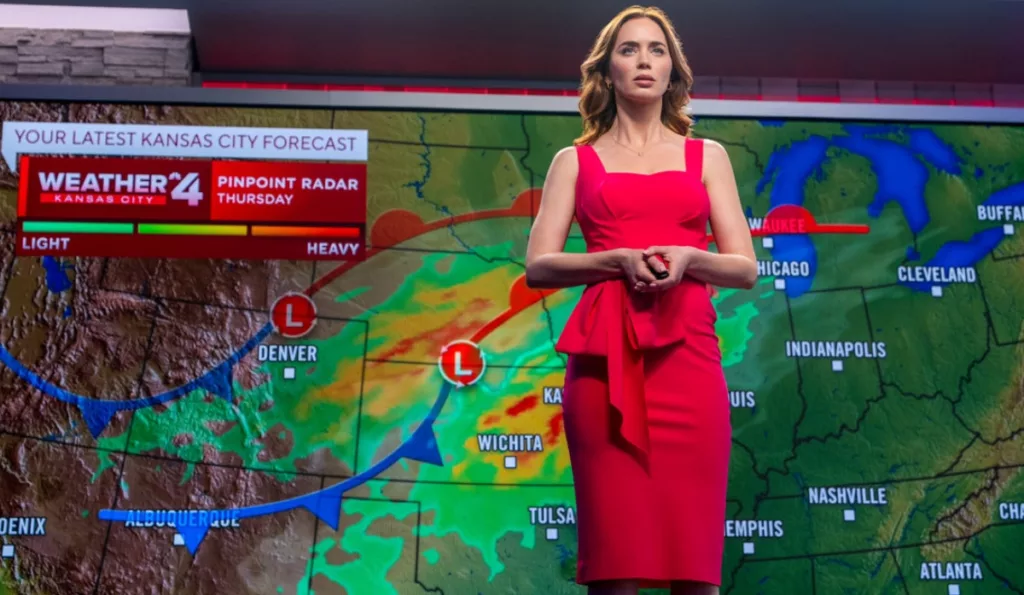
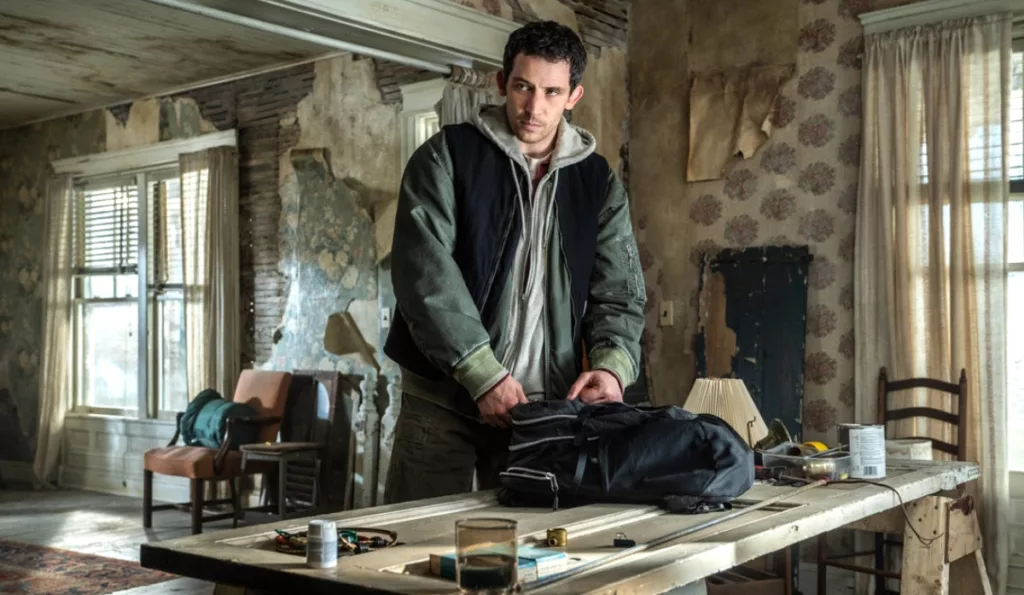
The story moves through four characters orbiting one another like magnetically connected strands of DNA. Dropping us into the action in medias res, the film introduces savant whistleblower and cybersecurity expert Dr. Daniel Kellner (Josh O’Connor), who has stolen deadly secrets from WARDEX, the clandestine military-industrial agency safeguarding evidence of alien visitation, and is now on the run. WARDEX’s autocratic lead operative, Noah Scanlon (Colin Firth), is a ruthless man convinced any disclosure would irrevocably destabilize the world. Colman Domingo plays Hugo Wakefield, an enlightened, almost mystically touched WARDEX defector with a master plan and Kellner’s primary contact. And a tremendous Emily Blunt is Margaret Fairchild, the last piece of the puzzle: a seemingly uninvolved weather anchor abruptly awakened to the hidden reality around her, gifted with empathic, clairvoyant, and telekinetic abilities that compel her to find Kellner.
Also caught in the escalating peril is Jane Blankenship (Eve Hewson), Kellner’s girlfriend and a former novitiate nun who lost her faith in people but never her belief in something greater. Around them, Spielberg builds yet another gripping thriller about forbidden knowledge forcing its way into the light, and a shadowy operation doing everything in its power to suppress it.
What elevates the familiar pursuit-and-evasion framework, which, structurally, is much of the movie, is Spielberg’s deployment of mysterious, omniscient alien technology and Fairchild’s inexplicable gifts. Without spoiling too much, Scanlon abuses extraterrestrial tools as a cerebral backdoor, slipping into the minds of others and manipulating them from within, while Fairchild’s barely understood abilities lend her an almost all-knowing intuition capable of bending reality and obscuring their path. Screenwriter David Koepp, reuniting with Spielberg after Jurassic Park and War of the Worlds, and inexplicably Jurassic World Rebirth, which the script wasn’t that strong… the combination with Spielberg, brings him back to form. Wrapping the modern anxieties of extraterrestrial disclosure in contemporary notions of paranoia, denial, and belief. The proof is out there, the film insists, and so is our terror of what it might mean.
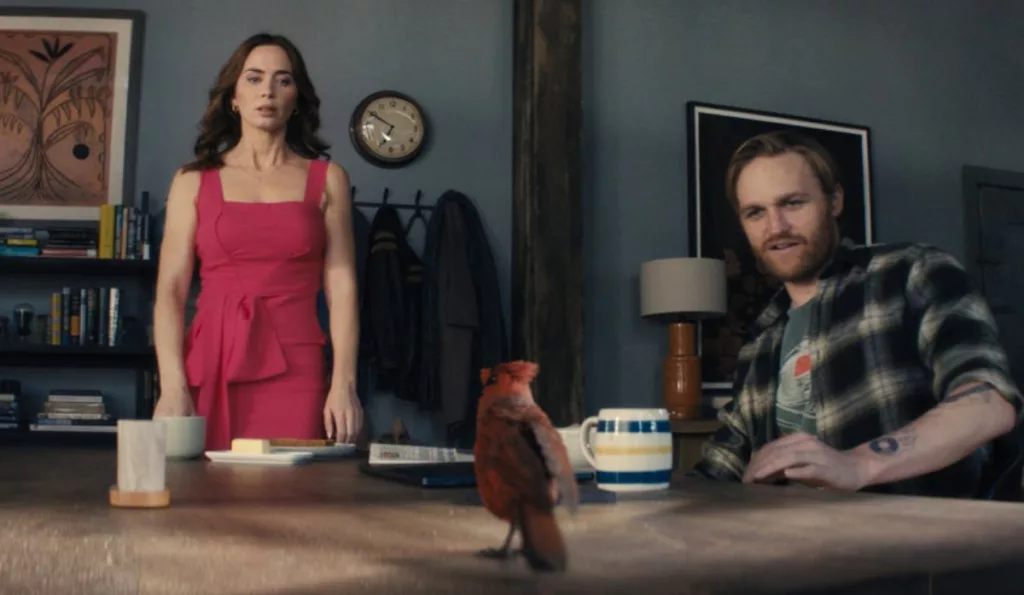
Faith becomes one of the film’s richest seams. Disclosure Day is populated with avatars for believers, skeptics, cynics, optimists, and conflicted agnostics, each torn between the terror of knowing and the responsibility of accepting. Wyatt Russell, Tommy Martinez, and Henry Lloyd-Hughes round out a spectrum of responses to first contact that runs from alarm and opportunism to devotion and awe.
For all its celestial grandeur and nail-biting suspense, the film’s MVPs are Blunt, an avatar for the audience’s astonishment, and Spielberg’s preternatural gift for conjuring rapture and tremulous amazement. Take one miraculous sequence in which Margaret walks into a recreation of her childhood bedroom, restored down to the last frame. She moves through it dumbstruck, flooded by memory and grief. We’ve never been there; the photographs and small details should mean nothing to us. Yet through John Williams’ subtle score, Sarah Broshar’s invisible editing, Blunt’s monumental performance, Spielberg’s delicate camera, and Janusz Kamiński’s exquisite, flare-kissed lighting, the audience is transported into that surge of borrowed memory. It becomes a breathtaking emotional transfer, an experience so specific to her that it somehow becomes ours, too.
As Wakefield’s herald-like figure works to unite Margaret and Kellner for a higher purpose, Spielberg laces the movie with hypnotic chase sequences full of close calls and nerve-jangling jeopardy. Yet what makes Disclosure Day so stirring is that its tension is rarely built from brute spectacle. There are only a few traditional set pieces in the modern blockbuster sense, and still the film is almost unbearably tense. Spielberg remains one of cinema’s great architects of suspense because he understands that dread lives in anticipation, silence, and the terrible possibility of what comes next.
That is where Disclosure Day becomes a plea for empathy in an age defined by suspicion and hostility. One side of the film is ruled by secrecy and control, convinced collapse is inevitable and the facts must be managed by force. The other believes the unknown can only be met through compassion, humility, and the willingness to listen. Spielberg’s grandest gesture isn’t the spectacle of cosmic discovery, but the insistence that understanding is a choice.
The word that finally echoes through the movie is deceptively simple: Listen. It sounds almost impossibly naïve until Spielberg makes it feel urgent, radical, and necessary. In Disclosure Day, cosmic truth arrives not as salvation or doom, but as a question of whether humanity can still hear something beyond its own terror. The answer is fragile, luminous, and deeply moving: maybe awe is what survives when we finally stop shouting.
Disclosure Day is a return to form for Spielberg, blending the spectacle of classics like Close Encounters of the Third Kind with thought-provoking storytelling.
If the film belongs to anyone, though, it belongs to Emily Blunt. Her Margaret Fairchild is the soul of Disclosure Day, a woman who carries the entire weight of cosmic revelation in her face long before she fully understands it. Blunt makes wonder, terror, and grace feel like the same emotion, and her wide-eyed astonishment becomes the lens through which we experience everything the movie dares to reach for. It’s a luminous, deeply felt performance, and it may be the finest work of her career.
Grade: B+
Follow us on MSN for more content like this.
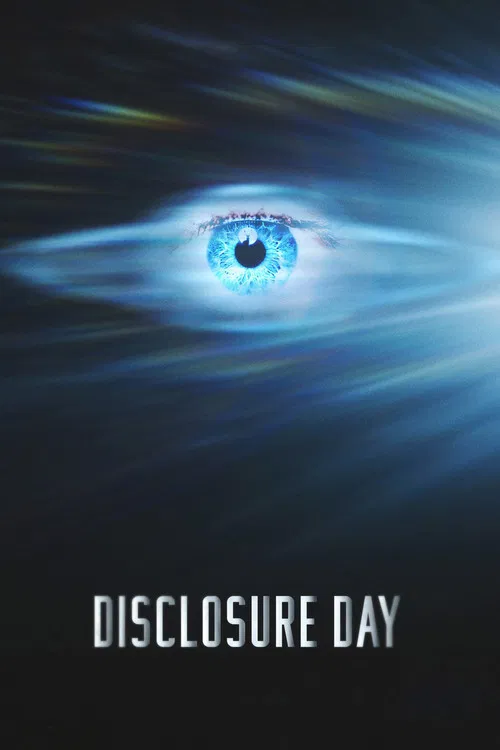
Disclosure Day
If you found out we weren’t alone, if someone showed you, proved it to you, would that frighten you?
Release Date: June 12, 2026
Director: Steven Spielberg
Cast: Emily Blunt , Josh O'Conno , Colin Firth