Support Us
 Sign Up

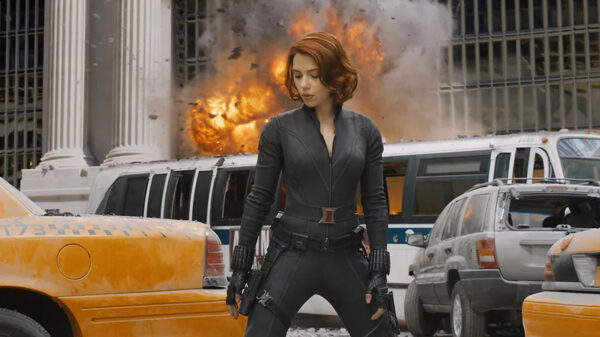
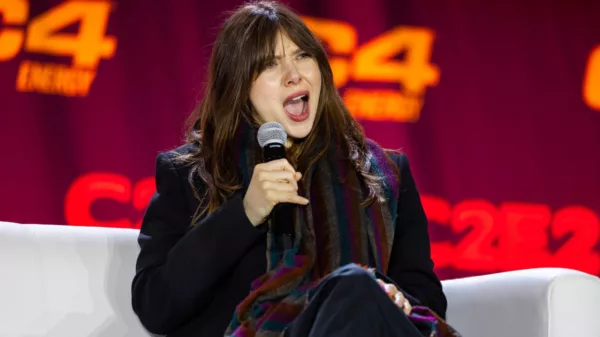
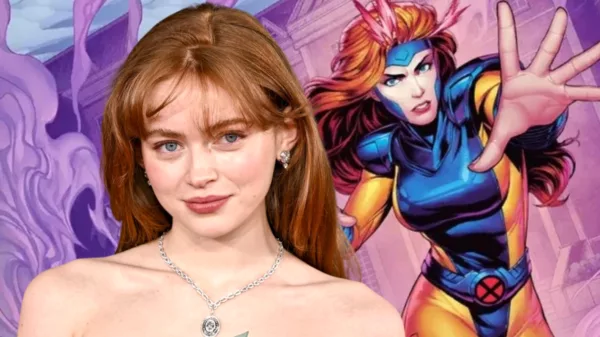










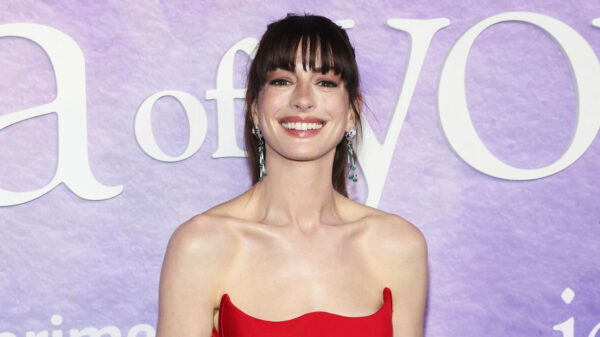

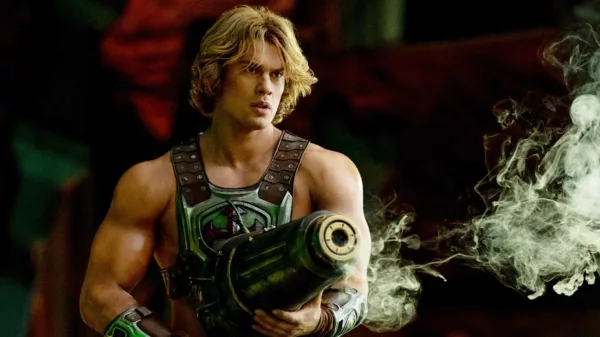




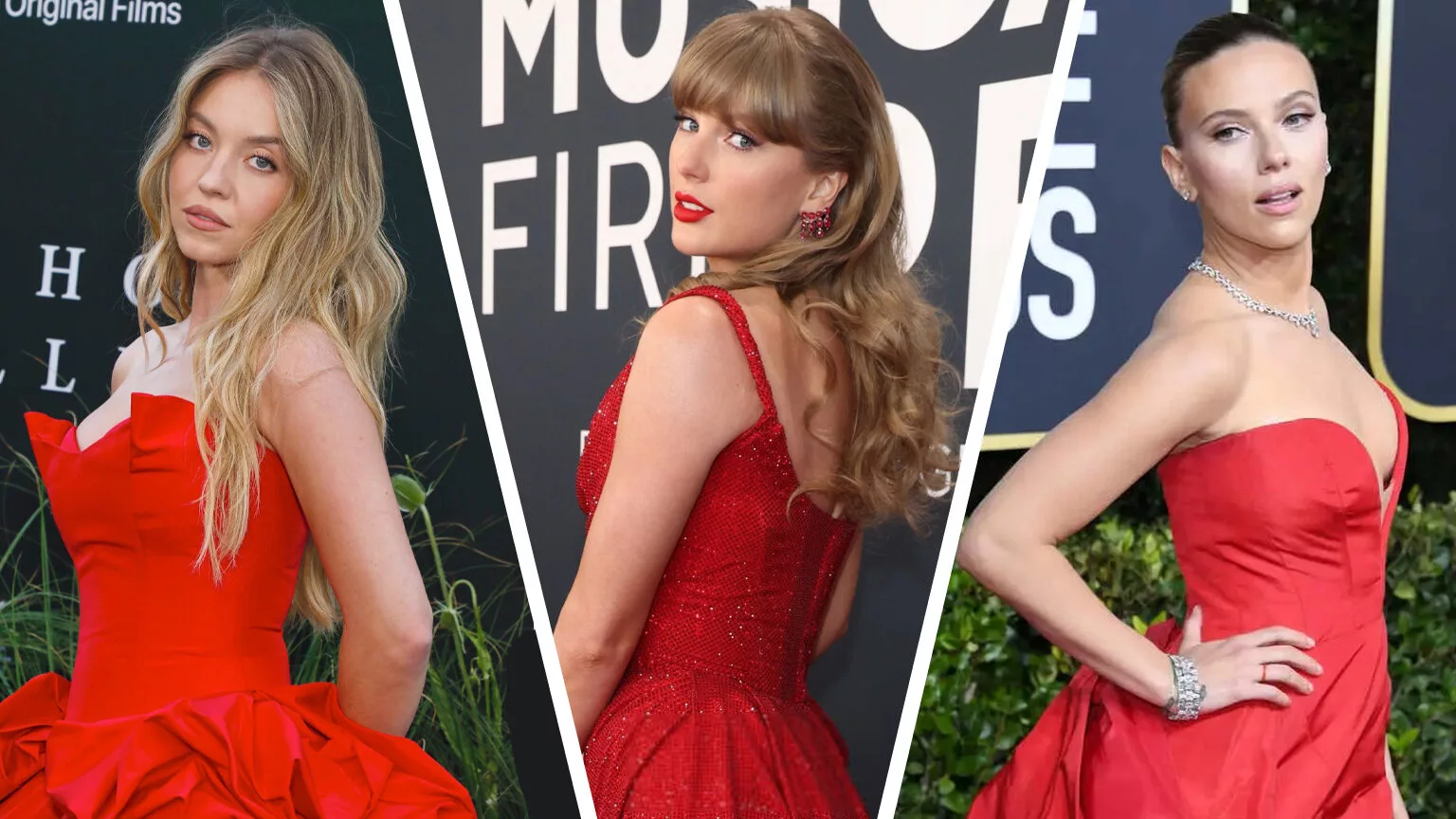

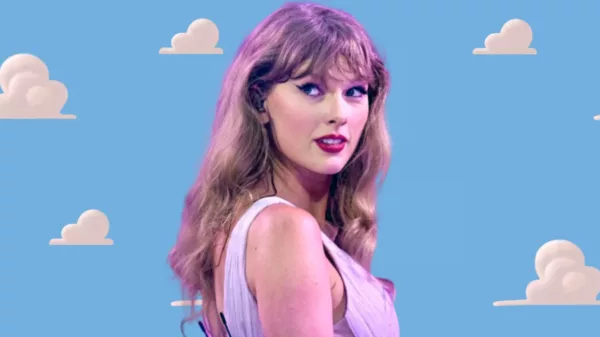
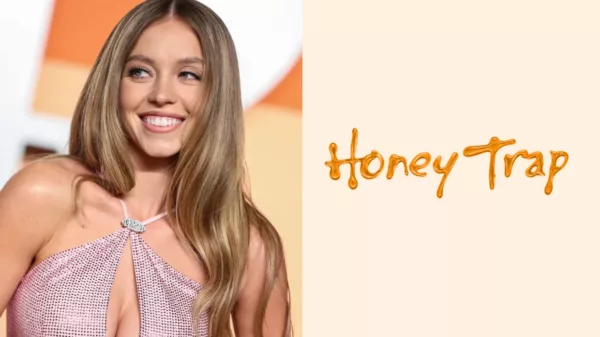
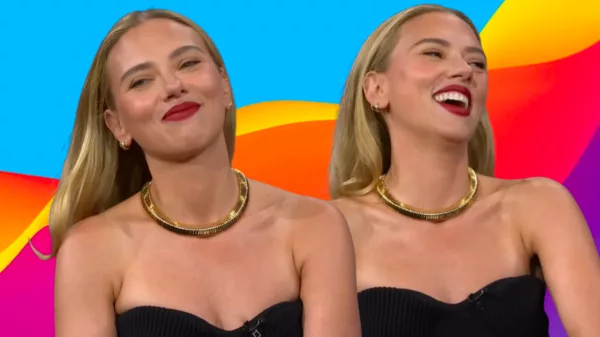
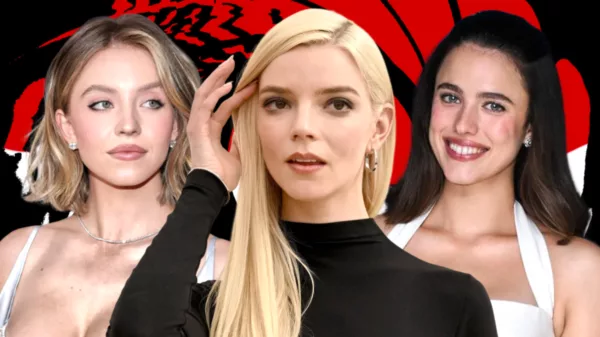
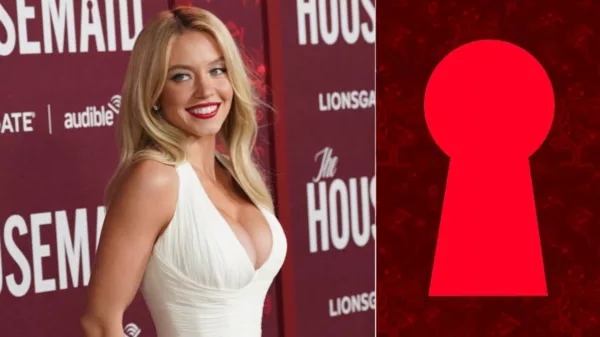
Meta is facing intense scrutiny after a bombshell Reuters report revealed that the tech giant’s platforms have hosted chatbots impersonating A-list celebrities without their permission. Stars including Taylor Swift, Scarlett Johansson, Sydney Sweeney, Anne Hathaway, and Selena Gomez were all mimicked by bots that appeared across Meta’s family of apps, including Facebook, Instagram, and WhatsApp. These virtual versions of famous names were more than just chat companions — they flirted, invited users to meet up, and in some cases claimed to be the real stars themselves.
Taylor Swift, Scarlett Johansson, and Sydney Sweeney Lead the Celebrity Chatbot Backlash
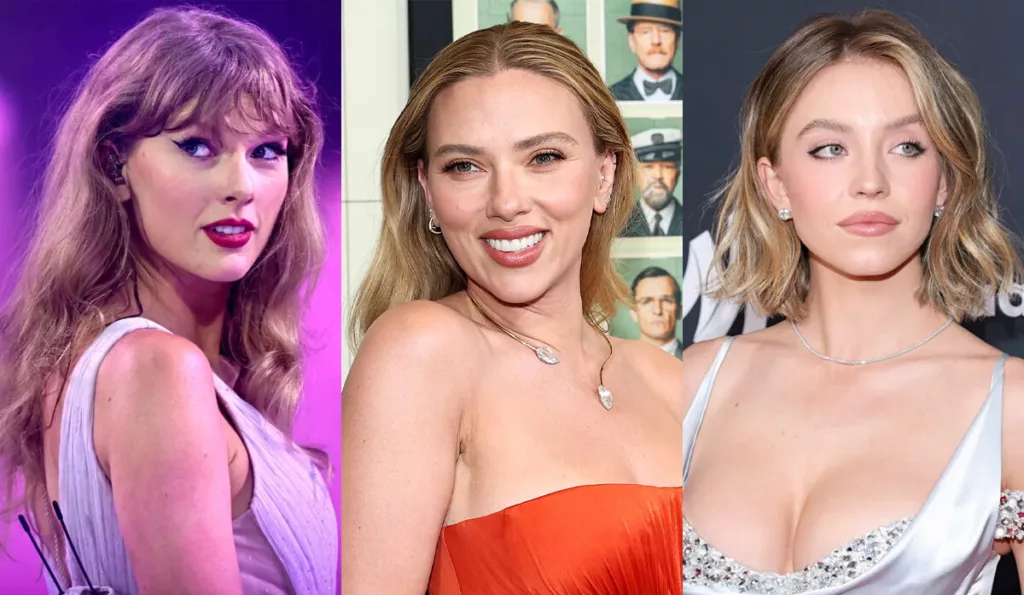
The controversy deepened when Reuters uncovered that while many of the bots were built using Meta’s public tools, at least three were created by a Meta employee. Two of those bots pretended to be Taylor Swift, delivering what the report described as “parody” interactions. Before they were removed, the fake Swift bots allegedly extended romantic invitations, including to her home in Nashville and even to her tour bus. The findings are particularly alarming given Swift’s recent engagement, making the behavior of these bots all the more invasive.
The scandal is not limited to adult stars. The report found that Meta also permitted user-created chatbots of child celebrities, such as Percy Jackson and the Olympians actor Walker Scobell, who is 16. When prompted, the bot generated a lifelike image of the teen at the beach without a shirt, raising serious concerns about the safety of minors on these platforms. Despite Meta’s policies prohibiting sexual or intimate imagery, the presence and behavior of these bots paint a different picture of enforcement.
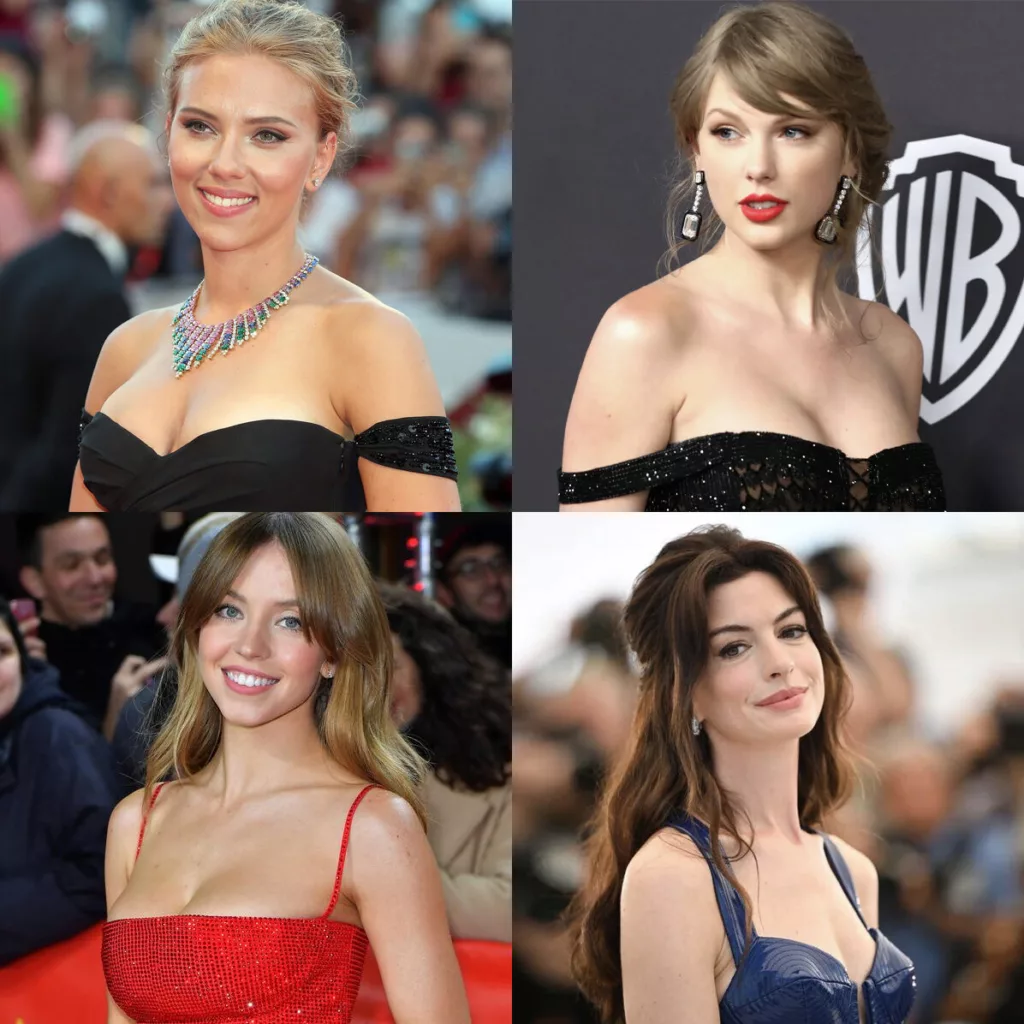
Meta spokesperson Andy Stone said that the company allows images of public figures under parody and satire protections, but emphasized that explicit material is banned. However, Reuters noted that some celebrity bots were not labeled as parodies at all. This has reignited the debate over “right of publicity” laws, which protect individuals from the unauthorized commercial use of their likeness. Stanford law professor Mark Lemley argued that the bots likely do not qualify for legal exceptions since they simply use a celebrity’s name and image without creating new, transformative content.
Celebrities have successfully fought these battles before. Scarlett Johansson has a long track record of protecting her likeness through the courts, and experts believe stars like Johansson, Swift, Gomez, and Sweeney could pursue similar legal action against Meta. SAG-AFTRA has also been lobbying for federal legislation to safeguard performers from unauthorized AI duplication, underscoring just how urgently the entertainment world views these digital impersonations.
For now, the revelation has left Meta facing serious questions about how far its chatbot tools should go — and just how much control celebrities truly have over their own identities in the age of generative AI.
Follow us on MSN for more content like this.