Support Us
 Sign Up




















The Marvel Cinematic Universe (MCU) has become a cultural phenomenon over the past decade, with its interconnected films and TV shows captivating audiences around the world. However, some fans of the original comics have criticized the MCU for deviating from the source material. While it is true that the MCU has made some significant changes to the comics, it is important to note that these deviations have often been for the better.
In this article, we will explore 6 times the MCU deviated from the comics and why it worked.
The Mandarin in Iron Man 3

In the comics, the Mandarin is a powerful villain who possesses ten rings that grant him immense power. However, in Iron Man 3, the Mandarin is revealed to be a fake created by the film’s true villain, Aldrich Killian. While some fans were disappointed by this twist, it allowed the film to explore the theme of terrorism in a more nuanced way. Additionally, it subverted expectations and gave us one of the most memorable Marvel villains.
The Origin of Vision in Avengers: Age of Ultron

In the comics, Vision is created by Ultron using the brain patterns of the hero Wonder Man. However, in Avengers: Age of Ultron, Vision is instead created by Tony Stark and Bruce Banner using the artificial intelligence known as J.A.R.V.I.S. This change not only simplified Vision’s origin but also allowed for a more emotional moment when Vision lifts Thor’s hammer.
The Role of the Ancient One in Doctor Strange

In the comics, the Ancient One is a Tibetan man who trains Doctor Strange in the mystical arts. However, due to concerns about cultural appropriation, the role was changed in the MCU to be played by Tilda Swinton, a white woman. While some fans criticized this change, it allowed the film to avoid problematic stereotypes and gave us a unique interpretation of the character.
The Design of Hela in Thor: Ragnarok

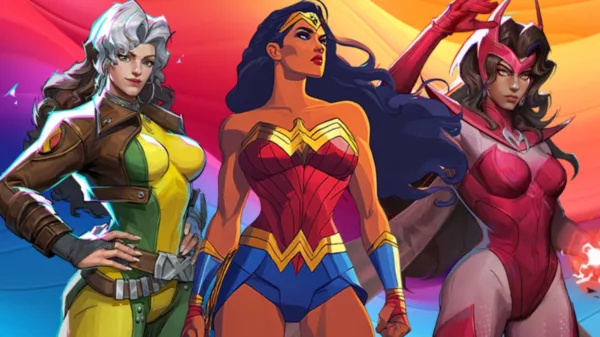
In the comics, Hela is depicted as wearing a revealing outfit that accentuates her curves. However, in Thor: Ragnarok, Hela is given a more intimidating design that reflects her status as the Goddess of Death. This change not only allowed the film to avoid objectifying the character but also gave us a more visually striking villain.
The Villains in Spider-Man: Homecoming

In the comics, Spider-Man’s villains are typically older men who are down on their luck. However, in Spider-Man: Homecoming, the villains are depicted as blue-collar workers who are struggling to make ends meet. This change not only updated the villains for a modern audience but also allowed for a more sympathetic portrayal of their motivations.
The Role of Nick Fury in the MCU

In the comics, Nick Fury is a white World War II veteran who leads the spy organization S.H.I.E.L.D. However, in the MCU, Nick Fury is portrayed by Samuel L. Jackson, a black actor, and is depicted as a more modern and diverse leader. This change not only allowed the MCU to update the character for a more diverse audience but also gave us one of the most iconic performances in the franchise.
Conclusion
While some fans may be disappointed by the MCU’s deviations from the comics, it is important to remember that these changes have often been for the better. Whether it’s updating the villains for a modern audience or avoiding problematic stereotypes, the MCU has shown that it is not afraid to take risks and make bold choices. By doing so, it has created some of the most memorable and beloved superhero films of all time.